

A dryer vent cover is one of those things nobody looks at twice. But every dryer vent, bath fan, and range hood vent has to pass through the siding or stucco somewhere, and that means a hole was cut through an otherwise continuous, water-shedding wall. On a lot of Utah homes, that one small penetration is exactly where water finds its way in.
Every Vent Is a Hole in Your Wall
A dryer vent, bathroom exhaust fan, range hood vent, and sometimes a water heater or furnace intake end up passing through the wall covering at some point on almost every house. Each one gets a vent cap or hood mounted over the opening, but that opening still has to be integrated into the wall the same way a window or door would be. Skip that step, and the vent cap is really just decoration over a gap.
How It’s Supposed to Be Done
On siding, a vent hood should overlap the siding course above and below it, tie into the housewrap the same way a window gets flashed, and only get caulked along the sides and bottom – never across the top, which would trap any water that gets behind it. On stucco, the vent should be set into the lath and scratch coat before the finish coat goes on, with a flange the stucco actually keys into, rather than a vent hood that’s simply caulked flush against the finished surface after the fact.
Why Caulk-Only Installs Fail in Utah
A lot of vent penetrations get installed the fast way: cut the hole, push the vent hood through, run a bead of caulk around the outside edge, and call it done. Without flashing or a proper flange underneath, that caulk bead is the only thing keeping water out – and caulk was never meant to be a standalone waterproofing system. Utah’s wide temperature swings between summer heat and winter cold keep expanding and contracting that joint, and caulk that looked fine when it went in gets brittle and pulls away from the siding or stucco within a few years. Once there’s a gap, water tracks straight down behind the wall covering instead of running off the face of it.
What to Look For
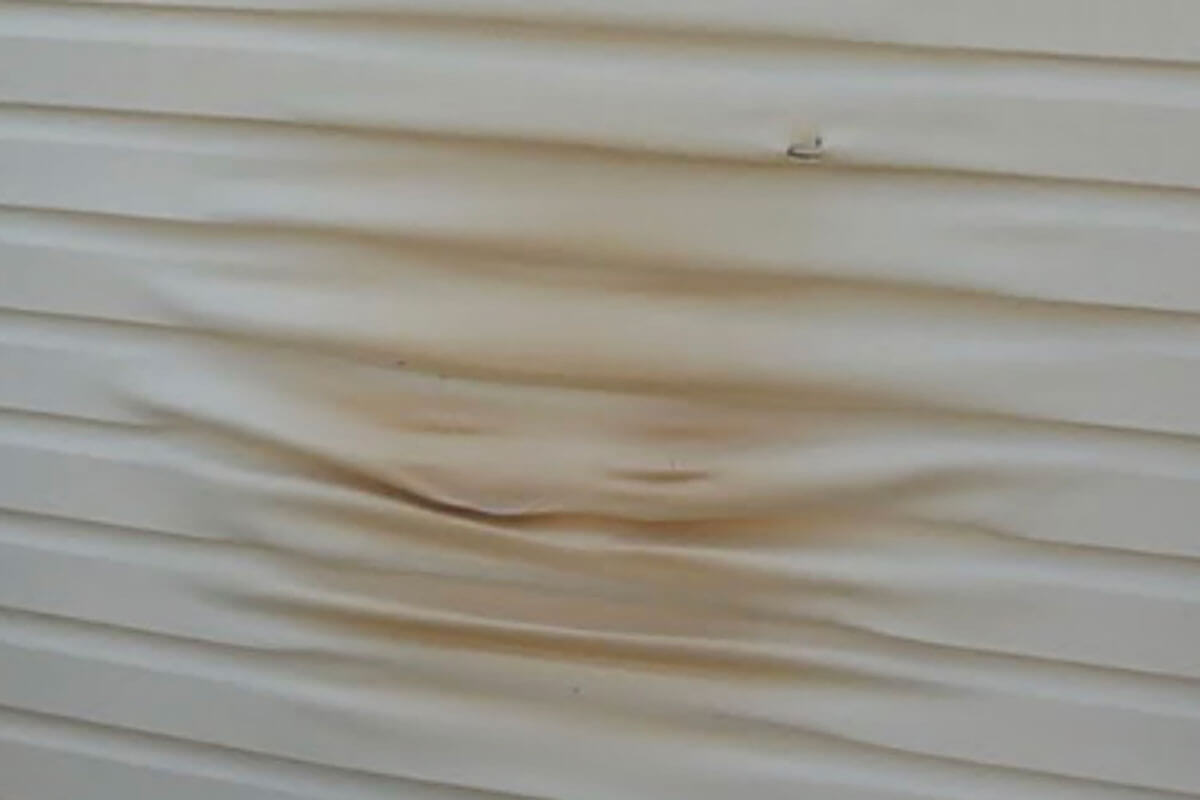
Check around every dryer vent, bath fan vent, and range hood cap for cracked or missing caulk, a vent hood that’s loose or sits slightly proud of the wall, and streaking or discoloration on the siding or stucco just below it. On stucco, look for a halo of darker staining or a soft spot right around the vent cap – that usually means moisture is already working its way into the wall assembly. Inside the house, a damp patch on a closet wall behind the dryer, or staining on a bathroom ceiling near an exterior wall, can often be traced back to the same vent penetration.
Fixing It the Right Way
A failing vent penetration almost always needs more than a fresh bead of caulk. On siding, that usually means pulling the vent hood, correcting how it ties into the housewrap, and reinstalling it with proper flashing. On stucco, it can mean cutting back the finish coat around the vent to re-set it against sound lath and scratch coat, rather than patching over a gap that’s already let water behind the wall.
Ridgeline Home Exteriors checks vent penetrations as part of every siding and stucco job we do, since one overlooked vent hood can undo an otherwise solid wall. Contact us if you’ve noticed staining near a dryer vent or bath fan on your home’s exterior.