

A mouse can squeeze through an opening about the width of a pencil. A paper wasp or a spider needs even less than that. Most homeowners assume pests get into a house through an open door or a torn screen, but the more common route is a gap in the siding or stucco itself – one that’s been quietly widening for years. These gaps rarely start out as pest problems. They start as an installation shortcut or a bead of caulk that’s worn out, and the pest issue just follows the water issue it was already causing.
Vent and Pipe Penetrations Are the Usual Entry Point
Dryer vents, bath fan exhausts, plumbing stacks, gas lines, and AC line sets all have to pass through the exterior wall somewhere, and that opening is almost always cut a little larger than the pipe or sleeve that fills it. Installers seal the gap with caulk or spray foam at the time, but caulk shrinks and foam breaks down under UV and temperature swings long before the siding or stucco around it does. A quarter-inch gap around a dryer vent is an open door to a mouse looking for a warm wall cavity once the nights turn cold.
Trim Joints Open Up as Materials Move
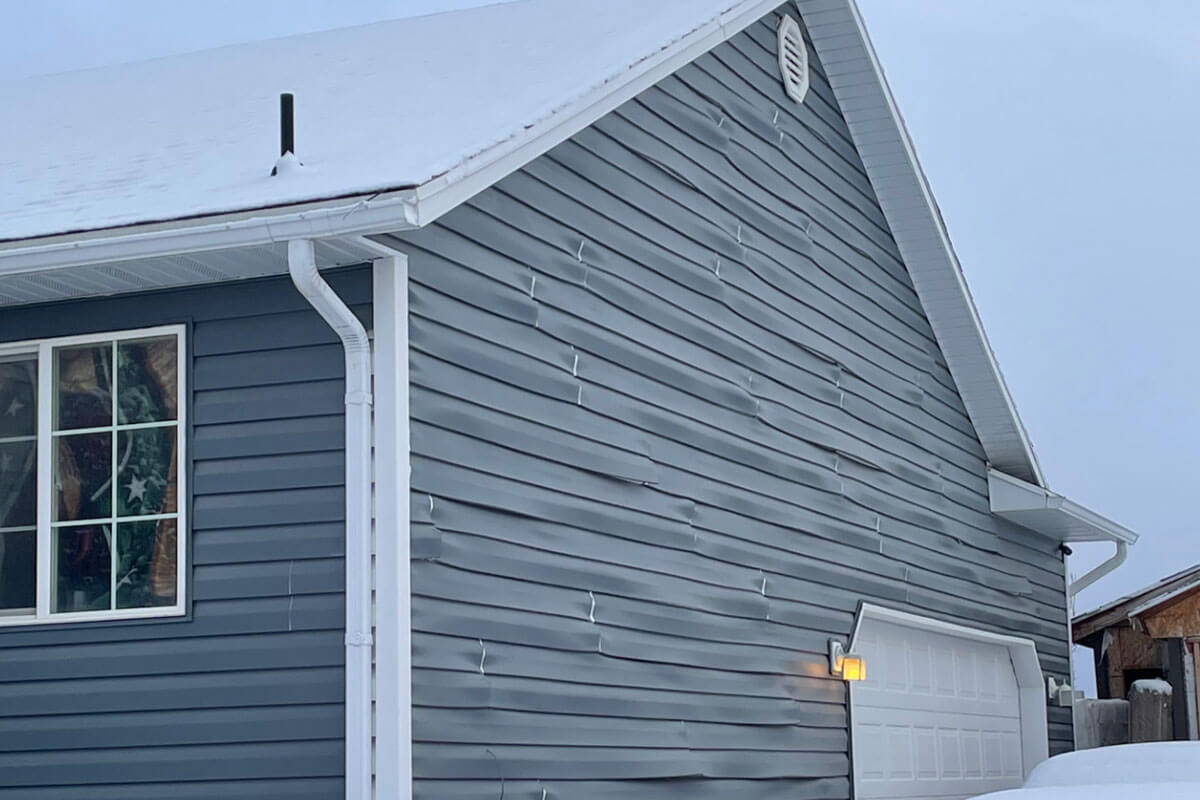
Vinyl siding expands and contracts noticeably across Utah’s temperature swings, and the corner posts, J-channel, and window trim it tucks into are where that movement shows up first. A joint that was tight at installation can work loose a little at a time, and insects exploit spaces far smaller than what it takes to notice from the ground. Stucco homes see the same thing at trim boards and expansion joints, where caulk is the only thing holding the line – and caulk is a maintenance item, not a permanent seal.
The Weep Screed Is Supposed to Have a Gap – a Screened One
Every stucco wall has a weep screed at its base: a metal strip with small openings that lets moisture drain out of the wall assembly. That gap is by design, but it’s also an unguarded opening at ground level if it isn’t backed with a corrosion-resistant screen or kept clear of mulch and soil. Builders sometimes bury the weep screed during landscaping, which causes water damage on its own, but an exposed, unscreened weep screed is just as often how insects work their way up into the wall from the base.
The Same Gaps Let In Water, Not Just Pests
This is the part worth paying attention to: a gap wide enough for a pest is also wide enough for wind-driven rain and snowmelt. If you’re finding evidence of mice or insects at a specific spot on the exterior, that spot is also worth checking for water staining, soft siding, or a musty smell in the wall cavity behind it. Pest entry and moisture intrusion travel through exactly the same openings, so one almost always points to the other.
What to Check Before Winter
Walk the exterior in late fall, before rodents start actively seeking a heat source for winter. Look at every pipe, vent, and line set penetration and confirm the sealant around it is still intact – if you can see daylight or fit a fingernail into the gap, it needs attention. Check that trim joints and corner posts haven’t opened up, and make sure the weep screed at the base of any stucco wall is unobstructed and still screened. None of this is a one-time fix; sealant and foam both have a service life, and Utah’s dry heat and hard freezes shorten it.
If you’re finding signs of pests at the exterior, or you’re not sure whether a gap is cosmetic or a real opening, contact Ridgeline Home Exteriors. We repair and reseal siding and stucco penetrations as part of standard maintenance work, and we’ll tell you honestly whether a spot needs resealing or a more involved repair.