

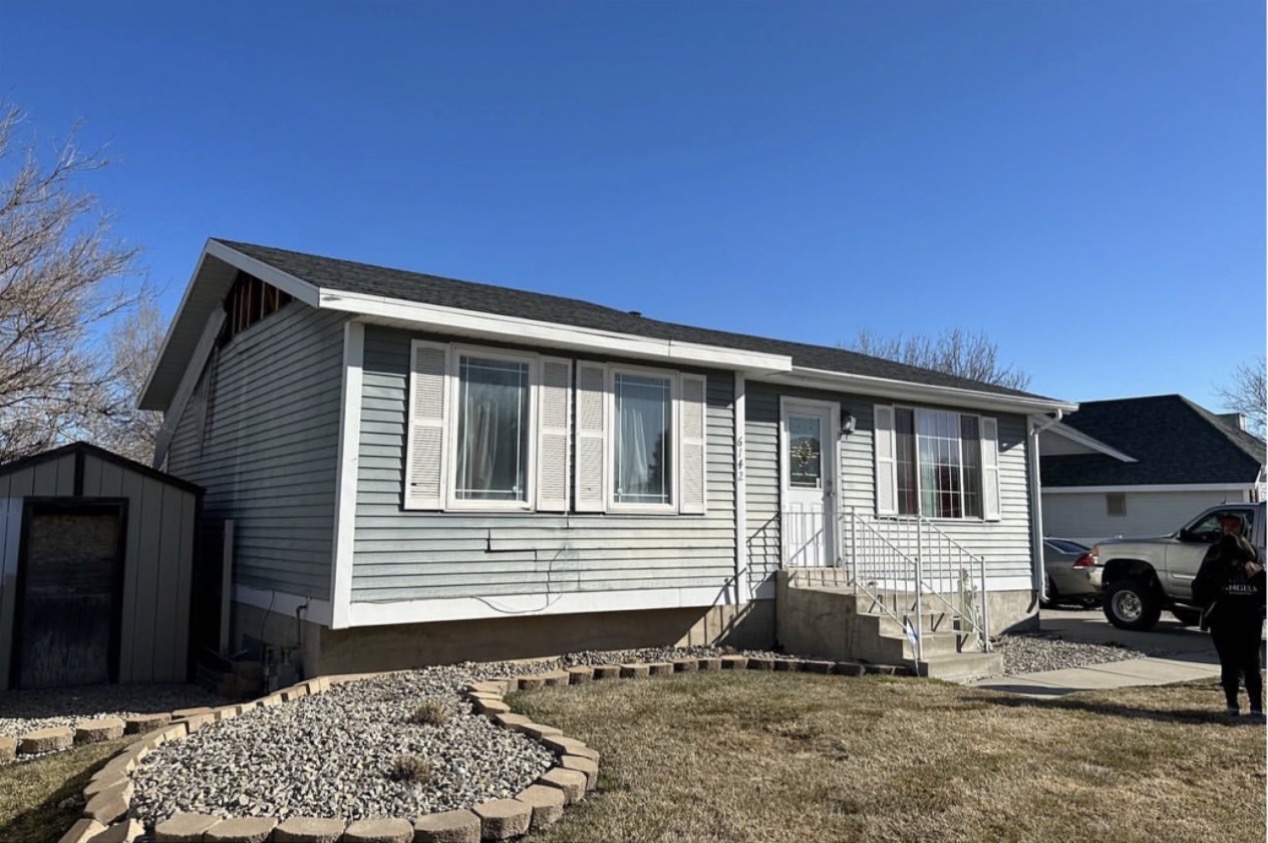
If you’ve lived along the Wasatch Front for more than a season, you’ve felt it – a windstorm that rattles windows, knocks over trash cans, and occasionally tears building materials loose. Utah’s canyon winds and seasonal windstorms can hit gusts well over 60 mph, and siding is often one of the first things to give. The tricky part is that wind damage isn’t always as obvious as a panel lying in the yard.
Why Utah Homes Take a Beating From Wind
The same mountain geography that makes the Wasatch Front beautiful also funnels wind. Canyon winds accelerate as they drop out of the mountains and hit neighborhoods along the benches in Sandy, Draper, Herriman, and up through Utah County, sometimes reaching damaging gusts in a single afternoon. St. George sees its own wind events tied to desert storm fronts. Older siding installations in particular weren’t always fastened to hold up to the gust speeds we see more regularly now.
What Wind Damage Actually Looks Like
Wind rarely peels a wall evenly. Watch for panels that are lifted or missing at corners and gable ends, where wind pressure concentrates the hardest. Look for siding that ripples or “oil-cans” – a wavy look that means it’s no longer fastened flat. Cracked or split panels can come from flying debris, and nails that have backed out partway are an early sign a section is about to let go. If you can see house wrap or sheathing peeking out anywhere, that’s damage that needs attention now, not later.
Why It’s Worse Than It Looks
A missing siding panel isn’t just a cosmetic problem. Once the weather barrier underneath is exposed, rain and snowmelt can reach the sheathing and framing directly, and pests have an open door. We recently helped a homeowner whose siding was torn off an entire gable in a windstorm, exposing the attic space underneath. What started as one bad afternoon of wind turned into a full siding replacement – and it likely would have been a smaller repair if the damage had been caught and covered right away.
How the Insurance Claim Process Usually Works
Most homeowners policies cover wind damage, but the claim goes smoother when you handle it in the right order. Photograph the damage as soon as it’s safe to do so, from multiple angles, before anything is touched. Cover exposed areas with a tarp to prevent further water intrusion – insurers expect this – but avoid doing full repairs before an adjuster has seen it. Call your insurance company to open the claim, and get a written estimate from a licensed contractor, since adjusters generally work from contractor estimates. On the case above, the homeowner’s insurer approved a full siding replacement minus the deductible once we documented the damage and provided an estimate.
After the Storm, Take a Walk Around Your House
After any significant windstorm, it’s worth walking the perimeter of your home and looking up at the gables and corners, where damage tends to start. A loose panel or a few backed-out nails is a quick fix if caught early, and catching it early is what keeps a small repair from turning into a full replacement.
If a recent windstorm left you wondering whether your siding took damage, we’re happy to come take a look – and if you do need to file a claim, we can help document the damage and provide the estimate your insurer will need. Reach out to Ridgeline Home Exteriors for a free inspection.