

Utah’s clay soil and daylight-basement construction make window wells one of the most overlooked water problems around a home. When they aren’t draining properly, a window well stops protecting your basement and starts funneling water straight into it.
What a Window Well Actually Does
A window well is the small retaining wall dug into the ground around a below-grade basement window. It holds back soil so the window can let in light and air, but it also collects everything that lands in it – rain, snowmelt, leaves, and yard debris. Most wells have a layer of gravel and a drain at the bottom tied to a perforated pipe that’s supposed to carry that water away from the foundation. When that drain is clogged, buried under years of dirt, or was never properly connected to a drainage system, the well simply fills up.
Why Utah Homes Are Especially at Risk
Daylight and walkout basements are common throughout Utah County and the Salt Lake Valley, which means a lot of homes have several window wells sitting right at grade. Combine that with heavy clay soil that drains slowly, rapid spring snowmelt, and sudden monsoon downpours in St. George, and a window well without working drainage can fill faster than it can empty. Once water tops the sill, it has nowhere to go but through the window frame and into a finished basement.
Warning Signs Your Window Wells Aren’t Draining
Standing water in the well more than a few hours after rain, a musty smell near basement windows, dirt or gravel that’s washed away from the drain area, and water stains or efflorescence on the interior sill are all signs the drainage underneath has failed. Wells that were installed without a gravel base, or never tied into a drain line at all, are the most common culprits we find during an inspection.
Fixing Window Well Drainage
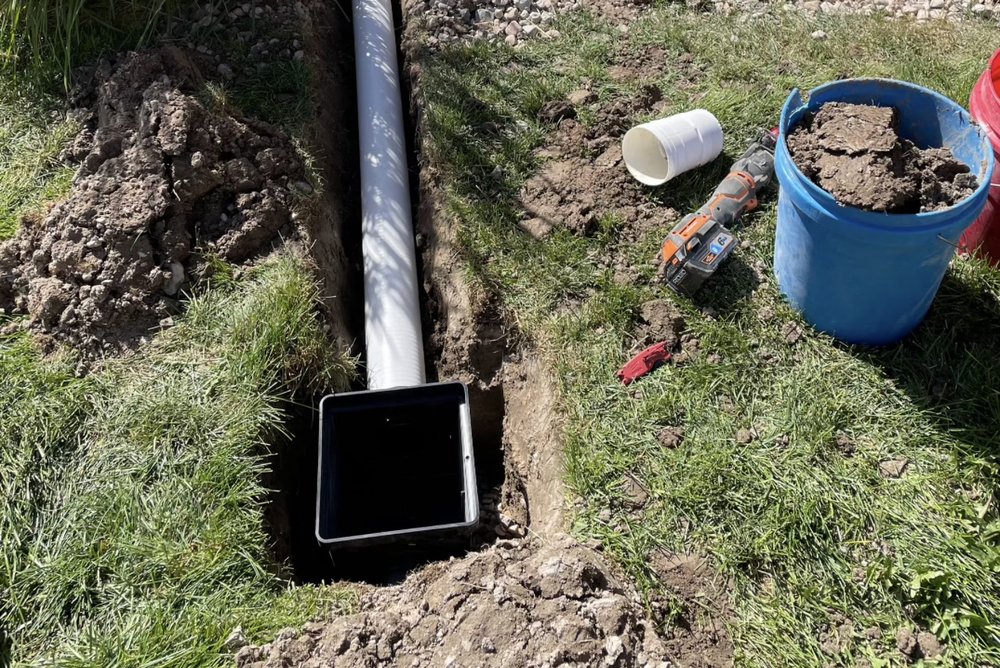
The right fix depends on what’s actually failing. Sometimes it’s as simple as clearing out compacted debris and topping off the gravel bed to restore drainage. More often, especially in older homes, the well was never connected to a working drain line in the first place. In those cases we tie the well’s drain into the home’s broader in-ground drainage system, routing water to the same safe discharge point as the rest of the yard instead of leaving it to soak straight down next to the foundation. A well-fitted window well cover also helps by keeping out leaves, snow, and wind-blown debris that clog drains over time, though a cover is never a substitute for a drain that actually works.
Don’t Treat Window Wells in Isolation
Window wells rarely fail on their own. If your yard already has grading or drainage issues, water pooling in a window well is usually a symptom of a bigger problem – the same clay soil and poor runoff path that’s stressing your foundation elsewhere. That’s why we look at window wells as part of a full property evaluation rather than a standalone fix, tying them into the same in-ground drainage system that protects the rest of the foundation.
Best Time to Address It
Late summer and fall are ideal, before the ground freezes and well ahead of spring runoff. But if you’ve already seen water in a window well or dampness on a basement sill, it’s worth having it looked at right away – a wet basement is a far more expensive fix than a properly draining window well.
If a window well on your property tends to fill with water, or you’ve noticed dampness near a basement window after a storm, reach out to Ridgeline Home Exteriors for a drainage evaluation before it turns into a bigger repair.